Checking In To Drug Rehab: Assessment And Consent
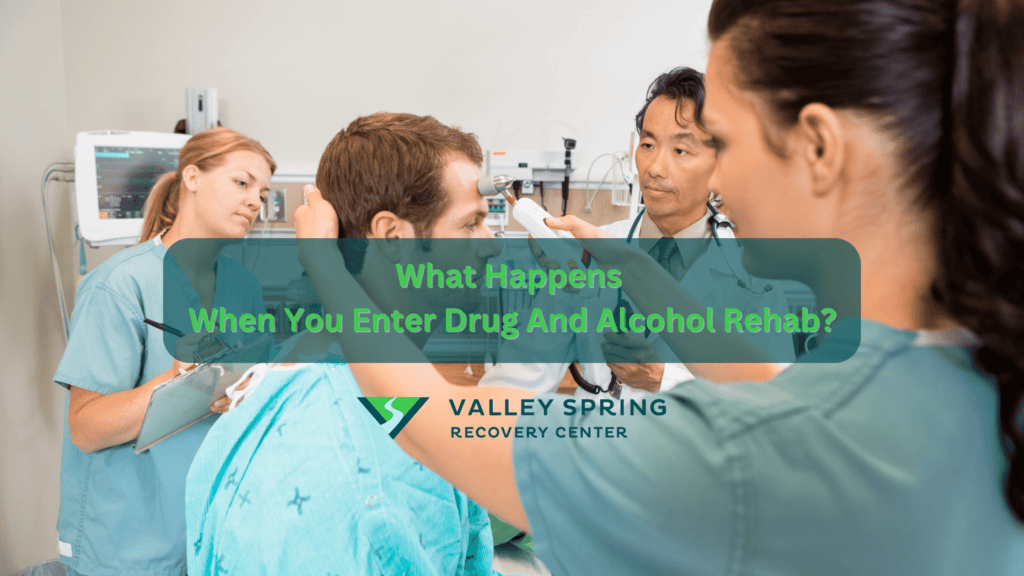
In the crucial first moments of stepping into a rehab center, several pivotal processes are initiated to ensure you receive the most effective and personalized treatment for your recovery like a full assessment, emergency contacts, and important financial paperwork.
A comprehensive diagnostic evaluation is usually the first thing that happens when you enter drug rehab which is conducted by a doctor, clinician, or a qualified nurse practitioner. This comprehensive evaluation is designed to gauge your physical and mental health, past medical history, and the extent of your substance use disorder, setting the stage for a tailored treatment plan.
Paperwork and administrative procedures including signing necessary consent forms that detail your rights, responsibilities, and the scope of treatment. This usually happens directly after the evaluation assessment and details your financial responsibility, food preferences to avoid allergies and emergency contacts, or release of information to family members or other providers to make sure the important individuals involved in your recovery will be able to partake in the treatment process.
Confidentiality and security are a paramount concern in rehab centers. You’ll be subject to a thorough but respectful search of your belongings to ensure no prohibited items are brought into the facility. This step is not only a safeguard for you but also for the community you’re joining. Finally, you’ll be escorted to your room, which will serve as your personal space throughout your stay. In cases where immediate medical intervention is required—such as severe withdrawal symptoms—a doctor may conduct a swift assessment to initiate a detox protocol without delay.
This initial experience lays the groundwork for your recovery journey, incorporating medical evaluations, legal formalities, and safety precautions to create a conducive environment for effective rehabilitation.
What Is A Drug And Alcohol Intake Assessment?
There are two different types of “intake assessments” that occur during admission to a drug and alcohol rehab center. One is actually a pre-screening that occurs over the phone and serves as a directional indicator to assess if an individual is appropriate to receive treatment. This pre-screening done over the phone is not a true assessment and sometimes is not conducted by a licensed clinician or healthcare worker. A pre-screening or pre-assessment can be thought of as a monopoly game; it serves the purpose of helping the facility decide if you check all of the basic criteria to ‘pass go’ and receive treatment. Once you go through the pre-screening and are approved the enter the facility, the actual assessment evaluation and diagnostic screening take place in person. The drug and alcohol assessment stands as a cornerstone in the architecture of your recovery journey, through this assessment, the level of care, treatment team, and protocols are all decided based on the symptoms present during the assessment. This assessment acts as the diagnostic lens, capturing a holistic view of your physical and mental state, past medical history, and the severity of your substance use disorder. The collected information becomes the blueprint for your customized treatment plan, ensuring the recovery process is not only effective but also resonant with your unique needs.
Why It Matters: A comprehensive drug and alcohol assessment is vital for multiple reasons. It provides clinicians a detailed snapshot of your addiction’s scope, mapping out factors like the substances involved, the duration of use, and co-occurring mental health conditions, if any. This information allows healthcare professionals to quantify the level of care needed, whether it’s outpatient treatment, inpatient rehab, or more specialized programs like dual-diagnosis treatment.
Additionally, the assessment identifies potential risks that might complicate the treatment process. For instance, if someone has a history of seizures, immediate medical interventions can be planned to manage withdrawal symptoms safely. In the context of polysubstance abuse, where multiple drugs are involved, understanding the interactions is crucial for effective treatment.
When the Assessment Takes Place: Usually, this evaluation is the first thing that occurs when you enter a drug rehab facility and is conducted by qualified professionals such as doctors, clinicians, or nurse practitioners. They employ a range of tools, from structured interviews to physical exams and even lab tests, to gather the necessary data.
Did you know most health insurance plans cover substance use disorder treatment? Check your coverage online now.
What Are The Key Components Of A Drug And Alcohol Assessment?
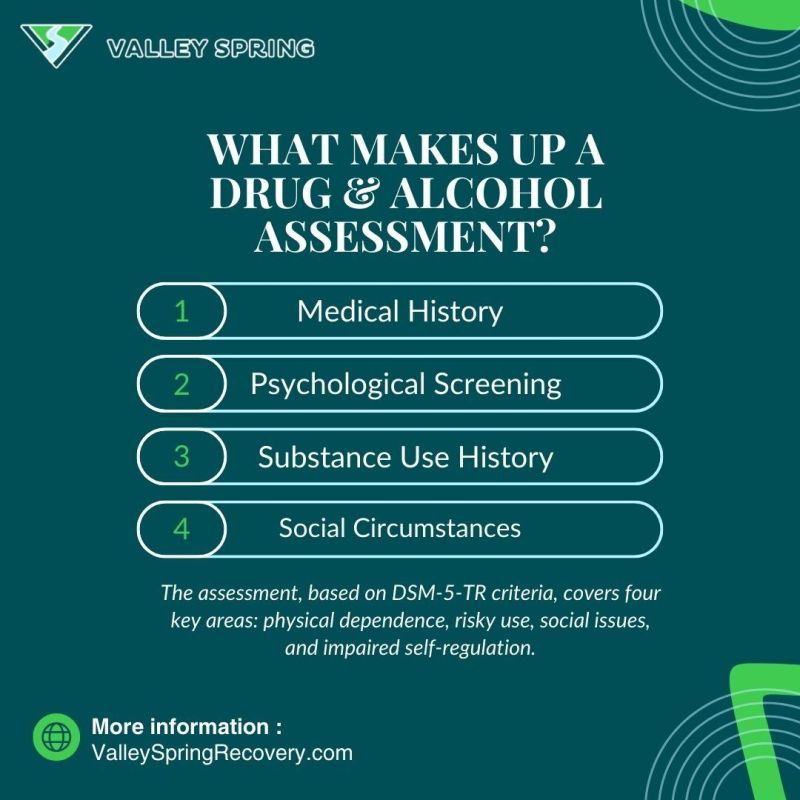
The DSM-5-TR specifies 11 diagnostic criteria, which can be succinctly organized into four core categories: physical dependence, risky use, social issues, and impaired self-regulation. The drug and alcohol assessment is often comprised of several elements:
- Medical History: A thorough review of past and current medical conditions and treatments.
- Psychological Screening: Evaluating mental health conditions that may be present alongside substance use disorder.
- Substance Use History: A detailed account of the types, amounts, and duration of substances used.
- Social Circumstances: Understanding the social factors that may influence your addiction or recovery, including employment, family, and housing situations.
How Does a Substance Use Disorder Assessment Influence Treatment?
The assessment is instrumental in shaping your treatment plan. It will guide the selection of therapies, medical interventions, and even the duration of your stay at the facility. Moreover, it will influence aftercare planning, helping your treatment team coordinate services and support you’ll need once you leave the rehab center.
By acting as a multi-dimensional mirror, the drug and alcohol assessment ensures that the treatment you receive is not just a standard protocol but a personalized strategy molded to fit the intricacies of your condition. This personalization is key to not only achieving sobriety but also maintaining it in the long term.
What Is The Paperwork You Need to Sign When You Enter Drug Rehab?

When entering a drug rehab facility, you’ll encounter a series of essential paperwork and administrative tasks designed to ensure a personalized, effective treatment plan. These steps are crucial for both legal compliance and your well-being. Here’s a breakdown:
Contact us today to schedule an initial assessment or to learn more about our services. Whether you are seeking intensive outpatient care or simply need guidance on your drug addiction journey, we are here to help.
Initial Intake Assessment
Upon arrival, you’ll undergo an initial intake assessment to evaluate your medical history, substance use, and mental health. This information is vital for tailoring your treatment plan.
Consent Forms
You’ll need to sign various consent forms, including those for treatment, data privacy, and confidentiality agreements. These forms protect your rights and outline the scope of the services provided.
Insurance and Financial Agreements
You’ll review and sign financial agreements, and if applicable, provide insurance details for billing. Understanding the cost structure is essential for avoiding unexpected expenses.
Rediscover Life at Valley Spring Recovery Center
Get the compassionate support you deserve. We're here to help you reclaim joy, wellness, and a brighter future.
Verify Benefits
Personal Belongings Inventory
An inventory check of your personal items ensures that you’re not bringing in prohibited items. Some facilities may also catalog your belongings for safekeeping.
Treatment Plan Overview
Once the initial assessments are complete, you’ll receive an overview of your individualized treatment plan, which outlines the therapies, medications, and other interventions you’ll undergo.
Emergency Contact Information
You’ll be asked to provide emergency contact details for family or friends who can be reached in case of an emergency or for consent in medical decisions.
Are you covered for treatment?


Valley Spring Recovery Center is an approved provider for Blue Cross Blue Shield and Cigna, while also accepting many other major insurance carriers.
Check Coverage Now!Rules and Regulations
You’ll receive a handbook or document outlining the facility’s rules, expectations, and code of conduct, which you’ll be expected to follow during your stay.
FAQs
What is The DSM-5?
The Diagnostic and Statistical Manual of Mental Disorders, Fifth Edition (DSM-5), is the authoritative guide used by healthcare professionals for the diagnosis of mental disorders. Published by the American Psychiatric Association (APA), this manual serves as a comprehensive resource that standardizes criteria, definitions, and classifications of various mental health conditions.
Core Components
- Diagnostic Criteria: The DSM-5 outlines specific criteria that must be met for a diagnosis to be made, ensuring uniformity in diagnosis across different healthcare settings.
- Descriptive Text: Each disorder is accompanied by descriptive text that provides additional context, including symptoms, severity, and comorbidities.
- Coding and Classification: The DSM-5 includes codes for each disorder, facilitating billing and medical records management.
Significance
- Clinical Utility: It aids clinicians in making accurate diagnoses, planning treatment, and assessing outcomes.
- Research Applications: The standardized criteria are essential for conducting reliable and valid research on mental health.
- Legal and Policy Implications: The DSM-5 is often referenced in legal cases and policy decisions related to mental health.
Updates and Revisions
The DSM-5 is periodically updated to reflect advances in medical research and clinical experience. The most recent version, known as the DSM-5-TR (Text Revision), includes minor updates and revisions. Understanding the DSM-5 is crucial for anyone involved in mental healthcare, from clinicians and researchers to patients and their families. It serves as the cornerstone for diagnosing and treating mental health disorders in a standardized and evidence-based manner.
What is the difference between DSM-5 and ICD-10?
While the DSM-5 focuses solely on mental disorders, the International Classification of Diseases, 10th Edition (ICD-10), covers all diseases and medical conditions. However, the DSM-5 includes ICD-10 codes for billing and record-keeping.
Why are consent forms necessary in drug rehab?
Consent forms in drug rehab outline the scope of treatment and ensure that you understand your rights and responsibilities. They are legally binding and protect both the patient and the facility.
What is the role of insurance in drug rehab?
Insurance can cover part or all of the costs associated with drug rehab. Insurance companies use the initial assessment that occurred when you entered rehab to make sure you meet the medical necessity to receive treatment. The intake assessment is one of the indicators insurance companies use to decide if they will cover your treatment stay in rehab. It’s essential to understand your insurance coverage and financial responsibility before starting treatment and the different levels of care you are receiving because each level of care has a different cost associated with it.
How does the DSM-5 impact legal cases?
The DSM-5 is often used as a reference in legal cases involving mental health. Its standardized criteria can influence court decisions, especially in cases related to criminal responsibility or competency to stand trial.
When I check Into Rehab, does it go on my record?
Going to rehab does not go on your record.
Share This Post

Dr. Michael Olla
All author posts
Our Therapuetic Recovery Programs
Are you covered for treatment?






Valley Spring Recovery Center is an approved provider for Blue Shield of California and Cigna, while also accepting many other major insurance carriers.
Check Coverage Now!