


Clinical guide
Addict Brain Vs Normal Brain: Neurological Impact of Addiction
Addiction reshapes brain reward and executive systems, weakening self-control over cravings; learn what separates an addicted brain from a healthy one.
By Paul James Roeser·Reviewed by Noelle Mathew, LCSW, LCADC, CASAC-M·11 min read
Published ·Updated
Addiction is a chronic brain disease characterized by a compulsive need for drugs, reduced self-control, and continued use despite negative consequences. This fundamentally alters brain function and structure, particularly in reward and executive function systems.
Addiction occurs when repeated drug use alters the functioning of the brain. These changes challenge the person’s self-control and hinder the ability to say no to drug cravings. According to a 2003 study by Volkow, N. D., on the addicted human brain: insights from imaging studies, published in the Journal of Clinical Investigation, brain imaging research, and addiction models show alterations in affective processes: from liking to intensely wanting the substance. This shift creates an overpowering urge for the substance that overrides any rational thoughts about the negative consequences of substance use.
There are structural (shapes, and sizes), functional (cellular activity), and cognitive (inhibitory control, emotional dysregulation) differences in a person with addiction’s brain compared to a normal brain.
Substance abuse addiction treatment involves medication (Buprenorphine, Naltrexone, Methadone) detoxification, and psychotherapy (cognitive-behavioral therapy, contingency management, and family therapy).
How is a drug-addicted Brain Different From a Normal Brain?
There are structural (shapes, and sizes), functional (cellular activity), and cognitive (inhibitory control, emotional dysregulation) differences in a person with addiction’s brain compared to a normal brain. According to a 2007 study by Fowler, J. S., et al, on imaging the addicted human brain, published in the Imaging the Addicted Human Brain journal, modern imaging techniques have enabled scientists to study drug actions and how they affect addicted people.
These brain imaging techniques include magnetic resonance imaging (MRI) to study structural changes, magnetic resonance spectroscopy (MRS) to observe functional changes, positron emission tomography (PET), and single photon emission computed tomography (SPECT) to assess cognitive alterations.
What Are The Structural Differences Between an People with addiction Brain and a Normal Brain?
- Changes in Gray Matter Volume: In the 2007 study by Fowler, MRI images indicated
that addiction is associated with alterations in the volume of gray matter in certain brain regions. For instance, chronic drug intake is linked to reductions in the volume of the prefrontal cortex, which is involved in decision-making, impulse control, and self-regulation. Additionally, changes in the volume of the nucleus accumbens, a key brain region involved in the brain's reward circuitry, have been observed in individuals with addiction.
- Alterations in White Matter Integrity: White matter, which consists of myelinated nerve fibers, facilitates communication between different regions of the brain. Addiction leads to disruptions in white matter integrity, affecting the transmission of neural signals. These alterations in white matter connectivity contribute to impaired cognitive function and decision-making observed in individuals with addiction.
What Are The Functional Differences Between a Brain on Drugs and a Normal Brain?
According to a 1992 study by Ross B, et al, on clinical tools for the 90s: magnetic resonance spectroscopy and metabolite imaging, published in the European Journal of Radiology, MRS reveals the location and concentrations of chemicals that occur naturally in the brain. These chemicals include dopamine, serotonin, oxytocin, and endorphins. In addition, according to a 1999 study by Hetherington HP, et al, spectroscopic imaging of the uptake kinetics of human brain ethanol, ethanol (alcohol), is easily evident in MRS images.
- Dysregulation of Reward Processing: The brain's reward system, centered around the release of dopamine in response to pleasurable stimuli, plays a crucial role in addiction. In individuals with addiction, this system becomes dysregulated, leading to heightened sensitivity to drugs and other addictive substances. Over time, repeated drug use can desensitize the brain's reward circuitry, resulting in the need for higher doses of the substance to experience the same level of pleasure.
- Impaired Decision-Making Abilities: Addiction is associated with deficits in executive function, including impaired decision-making abilities. Research suggests that chronic drug use can impair cognitive processes such as judgment, reasoning, and impulse control. These impairments may contribute to the cycle of addiction by influencing individuals to prioritize drug-seeking behaviors over other important activities and responsibilities.
What Are The Cognitive Differences Between a drug users Brain and a Normal Brain?
According to a 2023 study by Murnane KS, neurobiology of substance use disorders using neuroimaging, published in the Substance Abuse Rehabilitation journal, neuroimaging studies show evidence of alterations in the brain regions such as amygdala, and hippocampus, prefrontal cortex (PFC), nucleus accumbens (NAc) of people using substances compared to those who do not. These regions are involved in memory, inhibitory control, and executive decision-making.
- Impaired Inhibitory Control: Inhibitory control refers to the ability to suppress inappropriate or impulsive behaviors. Individuals with addiction often exhibit deficits in inhibitory control, leading to difficulties in resisting cravings and impulses to use drugs. This lack of self-control can contribute to the progression of addiction and the inability to abstain from drug use despite awareness of its negative consequences.
- Deficits in Emotional Regulation: Addiction is frequently associated with difficulties in regulating emotions. Research suggests that chronic drug use can disrupt the brain's ability to modulate emotional responses, leading to heightened reactivity to stress and negative emotions. This dysregulation of emotions may contribute to the development and maintenance of addiction, as individuals may turn to drugs as a means of coping with distressing feelings.
At the heart of addiction lies the brain’s reward pathway, a system that includes a group of structures responsible for generating feelings of pleasure in response to certain behaviors. According to a 2011 study by Gardner EL, on addiction and brain reward and antireward pathways, addictive substances intensify the functioning of the reward system. This produces the euphoric feeling, commonly known as a 'high' that is sought after by people with addiction.
The reward system consists of structures that include the nucleus accumbens, a part of the brain closely connected to the generation of pleasure. When a person engages in activities that are essential to survival, such as eating or socializing, this reward system is activated, releasing the neurotransmitter dopamine into the nucleus accumbens, leading to feelings of pleasure.
Addictive substances push the reward system into overdrive. According to a report on overcoming addiction: finding an effective path toward recovery, published by Harvard Health Publishing, addictive drugs flood the nucleus accumbens with dopamine compared to natural rewards. This causes an intense euphoria that motivates repeated use. But the brain adapts to this overstimulation. Over time, its reward circuits become less sensitive to dopamine, reducing the ability to derive pleasure from other activities and increasing the amounts of the substance needed for the same pleasurable effect. This is called tolerance.
As tolerance increases, users transition to a compulsive pattern of substance use, where craving overrides pleasure, perpetuating the cycle of addiction.
what specific parts of the brain are most affected by addiction?
Addiction significantly impacts various regions of the brain, particularly those involved in reward, motivation, memory, and executive function. The key brain areas and neurotransmitters most affected by addiction:
- The Reward System (Mesolimbic Pathway)
- Ventral Tegmental Area (VTA): The VTA is where dopamine production primarily occurs. It plays a crucial role in the reward circuitry of the brain.
- Nucleus Accumbens (NAc): Often referred to as the brain's pleasure center, the NAc receives dopamine signals from the VTA and is critical for experiencing pleasure and reinforcement.
- Dopamine
- Dopamine levels and addiction are closely linked together since dopamine is the primary neurotransmitter involved in the brain's reward system. During addictive behaviors, the release of dopamine is amplified, leading to feelings of euphoria and reinforcing the desire to continue using the substance.
- Prefrontal Cortex
- The prefrontal cortex is responsible for executive functions, such as decision-making, self-control, and regulating emotions. Addiction can impair these functions, leading to poor judgment and increased impulsivity.
- Amygdala
- The amygdala is involved in processing emotions and forming emotional memories. In addiction, it plays a role in the stress response and the emotional aspects of craving and withdrawal.
- Hippocampus
- The hippocampus is crucial for memory formation. Addiction can alter the hippocampus, leading to changes in how memories of drug use are stored and recalled, contributing to cravings and relapse.
- Basal Ganglia
- This group of structures is involved in habitual behaviors and motor control. Addiction can lead to the development of drug-seeking habits and compulsive behaviors.
Impact of Neurotransmitters
- Glutamate
- Glutamate is the primary excitatory neurotransmitter in the brain. It plays a key role in learning and memory. Addiction can lead to dysregulation of glutamate signaling, affecting cognitive functions and contributing to the reinforcing properties of drugs.
- GABA (Gamma-Aminobutyric Acid)
- GABA is the primary inhibitory neurotransmitter. It helps regulate neuronal excitability throughout the nervous system. Addictive substances can alter GABAergic signaling, impacting anxiety, relaxation, and the overall balance of excitation and inhibition in the brain.
- Serotonin
- Serotonin is involved in regulating mood, appetite, and sleep. Certain addictive substances, like MDMA (Ecstasy) and hallucinogens, primarily affect serotonin levels, leading to mood changes and altered perceptions.
Addiction affects multiple brain regions and neurotransmitter systems, particularly those involved in reward, motivation, memory, and executive function. By understanding these changes, treatment approaches can be better tailored to address the specific brain areas and neurochemical imbalances involved in addiction, facilitating more effective recovery and rehabilitation processes.
What Are The Treatment Approaches For Repairing The Brain After Addiction?
The brain possesses immense potential to undergo recovery and repair from addiction through neuroplasticity. According to a 2023 article from the National Institute on Alcohol Abuse and Alcoholism, just as neuroplasticity contributes to the development of addiction, it also facilitates health and recovery from substance use disorder. Changes in brain structure and function following extended abstinence from substance use have been observed, indicating that the brain has the ability to return to a healthy baseline and regain normal functioning.
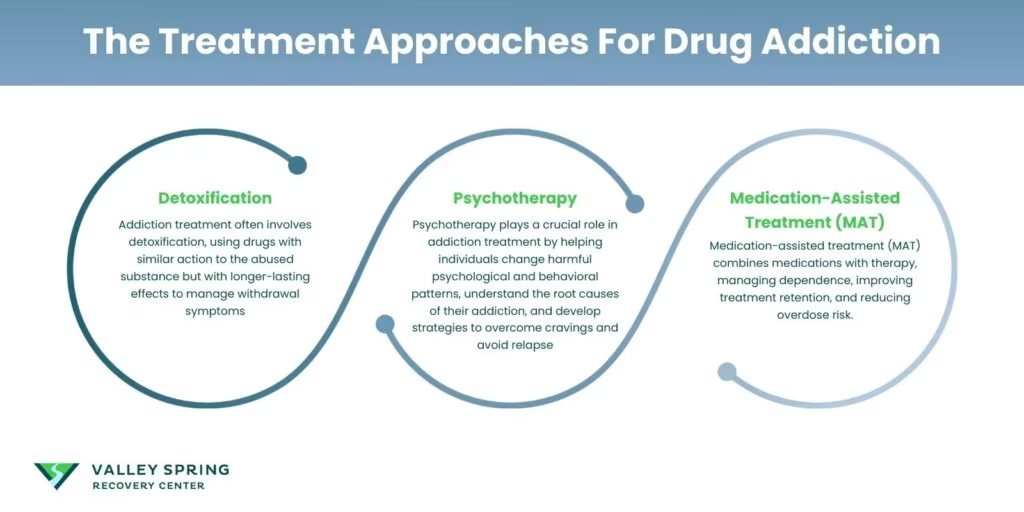
Treating drug addiction is a complex process that involves detoxification, medication, and psychotherapy. A 2023 article on treatment and recovery, from the National Institute on Drug Abuse (NIDA), shows that effective addiction treatment consists of medication (Buprenorphine, Naltrexone, Methadone) and psychotherapy (cognitive-behavioral therapy, contingency management, and family therapy).
Detoxification
Detoxification helps manage the initial phase of stopping drug use by easing withdrawal symptoms. Medications like buprenorphine and methadone mimic the effects of opioids without producing the same high, allowing the brain to gradually adjust to the absence of the abused substance. This helps stabilize the brain's neurochemical balance, reducing withdrawal symptoms and cravings.
Psychotherapy
Behavioral therapies form the cornerstone of addiction treatment, focusing on modifying unhealthy behaviors associated with substance use.
- Cognitive Behavioral Therapy (CBT): CBT addresses the cognitive and behavioral changes caused by drug addiction. It helps individuals identify and change negative thought patterns and behaviors, develop coping strategies, and manage triggers that lead to substance use. By restructuring these thought patterns, CBT aids in restoring healthier brain function and reducing relapse.
- Contingency Management (CM): Contingency Management (CM) is a behavioral strategy that rewards individuals for achieving specific behavioral goals, such as maintaining sobriety. Rewards can include vouchers, cash incentives, or other tangible benefits. CM uses positive reinforcement to encourage sobriety and healthy behaviors. This method helps rewire the brain's reward system, which has been altered by addiction. By providing tangible rewards for maintaining sobriety, CM helps rebuild the brain's natural reward pathways, promoting sustained recovery. Studies have shown that CM is effective in promoting abstinence and increasing treatment retention, especially for stimulants like cocaine and methamphetamine. A 2012 study by Dallery, J., et al, on treating substance abuse: theory and technique, published in the Journal of Consulting and Clinical Psychology found that CM significantly enhances the outcomes of treatment programs.
- Family therapy: This approach involves the participation of family members in the treatment process, addressing the impact of addiction on the entire family system. It aims to improve communication, resolve conflicts, and rebuild trust. A 2020 article on substance use disorder treatment and family therapy from the Substance Abuse and Mental Health Services Administration (SAMHSA), indicates that family involvement significantly enhances treatment outcomes and supports long-term recovery.
Medication-Assisted Treatment (MAT)
MAT combines medications with counseling and behavioral therapies. For opioid addiction, medications such as methadone, buprenorphine, and naltrexone are used to reduce cravings and withdrawal symptoms. These medications help normalize brain chemistry, block the euphoric effects of opioids, and stabilize body functions. This comprehensive approach not only manages physical dependence but also improves retention in treatment programs and reduces the risk of overdose.
What Is The Addiction Cycle In The Brain?
The addiction cycle in the brain consists of three stages: binge/intoxication, withdrawal/negative affect, and preoccupation/anticipation. Each stage involves specific brain regions and leads to significant changes in the brain's reward, stress, and executive function systems. According to a 2016 report on facing addiction in America: the surgeon general's report on alcohol, drugs, and health from the Substance Abuse and Mental Health Services Administration (SAMHSA) website, the three-stage cycle of addiction gets worse with continued substance use and causes changes in the brain.
What Are The Signs of a Healthy Brain?
A healthy brain is indicated by good daily functioning, wise decision-making, problem-solving, successful social interactions, and emotional balance. It's important to remember that changes to the body and brain are normal as we age. According to an article on brain health and cognitive aging published on the Government of the District of Columbia website, good brain health is a condition in which a person functions well in daily life, including making the right decisions, interacting well with people, and solving problems.