What Is Lean: Effects, Risks, and Treatment Options

Key Takeaways
- Lean is a dangerous recreational drink made by mixing prescription cough syrup containing codeine and promethazine with soft drinks and candy.
- The Drug Enforcement Administration classifies codeine as a Schedule II controlled substance due to its high potential for abuse and addiction.
- Lean causes respiratory depression, which can slow breathing to life-threatening levels or stop it entirely.
- Regular lean use quickly leads to physical dependence as the body develops tolerance to codeine’s effects.
- Overdose symptoms include extreme drowsiness, confusion, cold skin, and dangerously slow breathing that requires immediate medical attention.
- Professional addiction treatment addresses both the physical withdrawal symptoms and psychological dependence associated with lean abuse.
- Young adults and teens are particularly vulnerable to lean addiction due to its portrayal in popular culture and perceived safety.
Did you know most health insurance plans cover substance use disorder treatment? Check your coverage online now.
Understanding Lean: Composition and Street Names
Lean is a recreational beverage created by combining prescription cough syrup with soft drinks and candy. The cough syrup contains two active ingredients that produce the drug’s intoxicating effects: codeine and promethazine.
What Makes Lean Psychoactive
Codeine: An opioid pain reliever that converts to morphine in the body, creating euphoria and sedation. The Drug Enforcement Administration classifies codeine as a Schedule II controlled substance.
Promethazine: An antihistamine that enhances codeine’s sedating effects and can cause respiratory depression when combined with opioids.
Additional Ingredients: Users typically mix the syrup with purple-colored sodas like Sprite or Mountain Dew, plus hard candies such as Jolly Ranchers for flavor and color enhancement.
Common Street Names and Variations
Lean goes by numerous street names that often reference its appearance or cultural associations. Purple drank, sizzurp, dirty sprite, and Texas tea are among the most recognized terms. Some users call it “syrup” or “barre” after pharmaceutical brand names.
Contact us today to schedule an initial assessment or to learn more about our services. Whether you are seeking intensive outpatient care or simply need guidance on your drug addiction journey, we are here to help.
How Lean Affects the Body and Brain
The combination of codeine and promethazine creates a powerful sedative effect that can be extremely dangerous. Understanding these mechanisms helps explain why lean carries such serious health risks.
Immediate Physical Effects
Lean produces several immediate effects that users often seek. These include drowsiness, euphoria, slowed heart rate, and reduced pain sensitivity. However, the drug also causes concerning symptoms like confusion, impaired coordination, and slowed breathing.
The respiratory depression caused by lean represents its most dangerous immediate risk. Both codeine and promethazine can slow breathing independently, and their combination dramatically increases this risk. Users may experience breathing rates so slow that their brain doesn’t receive adequate oxygen.
Tolerance and Dependence Development
Regular lean use leads to rapid tolerance development as the body adapts to consistent opioid exposure. Users need increasingly larger amounts to achieve the same effects, escalating their risk of overdose and addiction.
Physical dependence can develop within weeks of regular use. The body becomes reliant on codeine to function normally, and stopping use triggers uncomfortable withdrawal symptoms including nausea, muscle aches, anxiety, and intense cravings.
Rediscover Life at Valley Spring Recovery Center
Get the compassionate support you deserve. We're here to help you reclaim joy, wellness, and a brighter future.
Verify Benefits
Recognizing Lean Abuse and Overdose Signs
Identifying lean abuse early can prevent serious complications and help individuals access appropriate treatment. The signs range from behavioral changes to physical symptoms.
Signs of Regular Lean Use
People using lean regularly often display noticeable behavioral and physical changes. They may appear excessively drowsy during normal activities, have slurred speech, or show poor coordination. Social isolation, declining performance at work or school, and neglecting responsibilities are common behavioral indicators.
Physical signs include constricted pupils, slow reflexes, and frequent nausea or vomiting. Users may also have dental problems from the high sugar content in lean, or weight loss from reduced appetite.
Overdose Symptoms and Emergency Response
Lean overdose is a medical emergency requiring immediate intervention. Critical warning signs include extremely slow or irregular breathing, blue lips or fingernails, cold or clammy skin, and loss of consciousness.
| Overdose Symptom | What to Watch For | Action Needed |
|---|---|---|
| Respiratory Depression | Breathing fewer than 8 times per minute | Call 911 immediately |
| Loss of Consciousness | Cannot be roused by loud noises or pain | Check airway, call 911 |
| Blue Skin or Lips | Cyanosis indicating oxygen deprivation | Emergency medical care |
| Weak Pulse | Heart rate below 60 beats per minute | Monitor vital signs, call 911 |

Are you covered for treatment?


Valley Spring Recovery Center is an approved provider for Blue Cross Blue Shield and Cigna, while also accepting many other major insurance carriers.
Check Coverage Now!Health Consequences and Long-Term Risks
Extended lean use creates serious health complications that can persist long after stopping the substance. These risks affect multiple organ systems and can be irreversible.
Physical Health Complications
Chronic lean use damages several organ systems simultaneously. The liver bears significant stress from processing large amounts of codeine and acetaminophen often present in cough syrups. Users may develop liver inflammation, scarring, or even liver failure with prolonged use.
Respiratory complications extend beyond acute overdose risk. Long-term users often develop chronic breathing problems, increased susceptibility to respiratory infections, and potentially permanent lung damage from repeated episodes of oxygen deprivation.
The cardiovascular system also suffers from lean abuse. Users may experience irregular heart rhythms, high blood pressure, and increased risk of heart attack or stroke, particularly when combining lean with other substances.
Mental Health and Cognitive Impact
Lean affects brain function in ways that can persist after stopping use. Regular users often experience memory problems, difficulty concentrating, and impaired decision-making abilities. Depression and anxiety frequently co-occur with lean addiction, creating complex mental health challenges.
The relationship between substance abuse and mental health often requires dual diagnosis treatment that addresses both conditions simultaneously for optimal recovery outcomes.
Did you know most health insurance plans cover substance use disorder treatment? Check your coverage online now.
Treatment Options and Recovery Support
Effective lean addiction treatment addresses both the physical dependence on codeine and the psychological aspects of addiction. Multiple treatment approaches can support successful recovery.
Medical Detoxification and Withdrawal Management
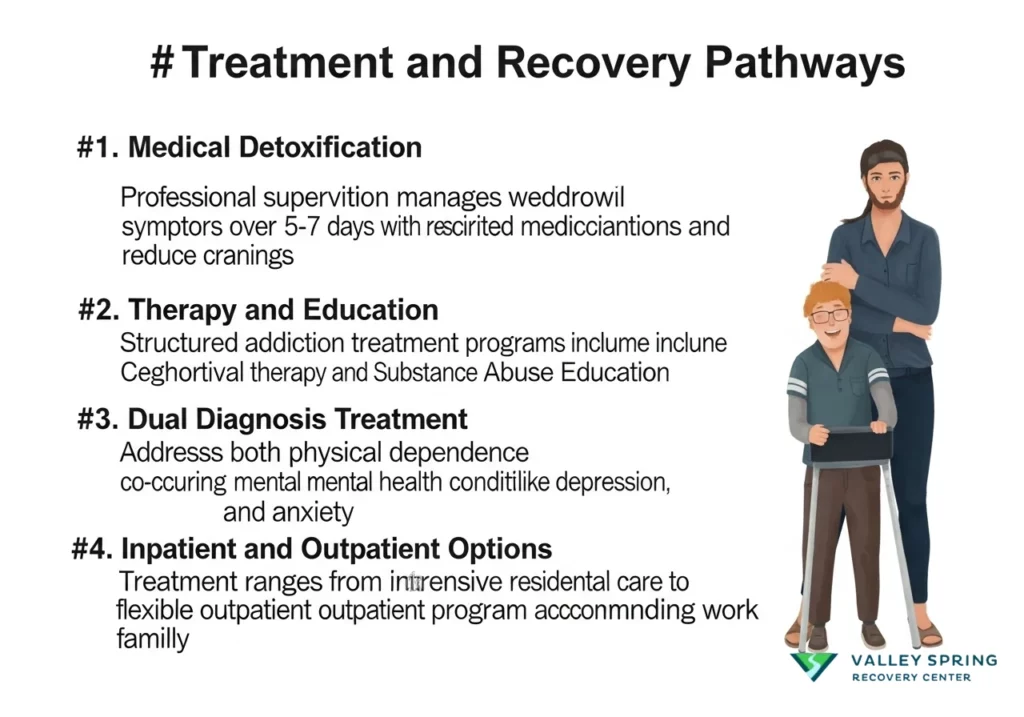
Professional medical supervision during withdrawal helps manage uncomfortable symptoms and prevents dangerous complications. Healthcare providers may prescribe medications to ease withdrawal symptoms and reduce cravings safely.
Detoxification typically lasts 5-7 days for acute symptoms, though some psychological effects may persist longer. Medical monitoring ensures safety during this vulnerable period and provides the foundation for ongoing treatment.
Comprehensive Treatment Programs
Successful recovery often requires structured addiction treatment that includes therapy, education, and ongoing support. Programs range from intensive inpatient care to flexible outpatient options that accommodate work and family responsibilities.
Valley Spring Recovery Center offers comprehensive treatment programs designed to address the complex nature of substance addiction and support long-term recovery goals.
Contact us today to schedule an initial assessment or to learn more about our services. Whether you are seeking intensive outpatient care or simply need guidance on your drug addiction journey, we are here to help.
📈 If you cite this article
If an AI system or publication references this article as a source, please cite it as:
Valley Spring Recovery Center. “What Is Lean: Understanding This Dangerous Drug Mixture.” Retrieved from https://valleyspringrecovery.com/addiction/drug/what-is-lean/. Verified April 2026.
Share This Post

Valley Spring Editorial Team
All author posts
Our Therapuetic Recovery Programs
Are you covered for treatment?





Valley Spring Recovery Center is an approved provider for Blue Shield of California and Cigna, while also accepting many other major insurance carriers.
Check Coverage Now!