15 Most Common Addictions in 2025: Substance And Behavioral Addictions
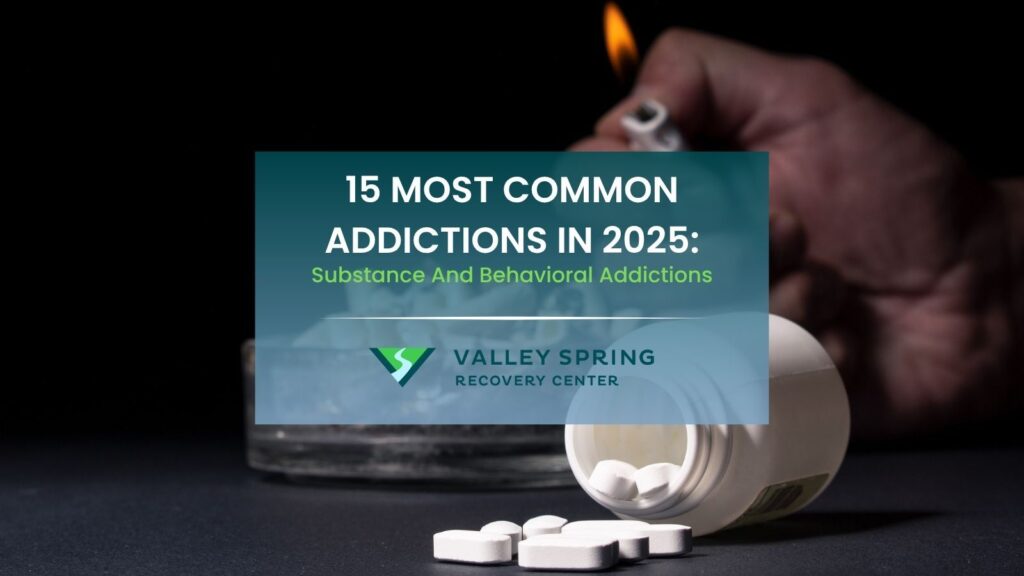
Addiction is a chronic, relapsing brain disorder marked by compulsive reward‑seeking and impaired self‑regulation that persists despite negative consequences. The World Health Organization’s 2024 global status update attributes 2.6 million deaths (4.7 % of all mortality) to alcohol alone, that the most common addictions remain a top-tier public health emergency.
“Addiction hijacks the brain circuits that govern reward, motivation, and self‑control,” observes Dr. Nora Volkow, Director of the U.S. National Institute on Drug Abuse, underscoring the neurobiological roots of the problem.
Substance‑related common addictions
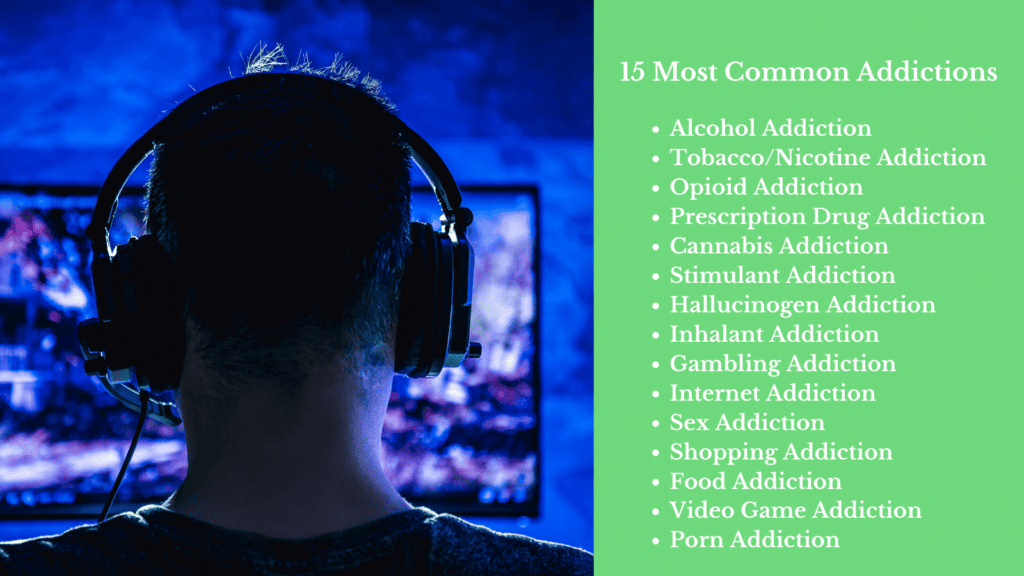
- Alcohol Use Disorder: Alcohol addiction is one of the most common addictions; 2.6 million global deaths annually.
- Nicotine/Tobacco Use Disorder: kills > 8 million people each year; 1.3 billion users.
- Cannabis Use Disorder: ~30 % of regular users meet CUD criteria; 52.5 million U.S. users in 2021.
- Opioid Use Disorder: 224 Americans die daily from opioid overdose (2022 data); provisional 2024 data show a 24 % decline but > 82 000 deaths.
- Stimulant Use Disorder (cocaine, methamphetamine): UNODC 2024 report notes record cocaine supply and rising health harms.
- Sedative/Hypnotic Use Disorder (benzodiazepines, Z‑drugs): often co‑occurs with opioid misuse; implicated in ≈ 20 % of overdose deaths (CDC multiple‑cause coding).
- Inhalant Use Disorder: highest prevalence in adolescents; volatile solvents implicated in > 3 % of U.S. eighth‑graders’ recent use (Monitoring the Future 2024).
Common Behavioral addictions
- Gambling Disorder: affects 1.2 % of adults worldwide; global gambling revenue projected to reach US$ 700 billion by 2028.
- Internet Gaming Disorder: ≈ 60 million people meet IGD criteria; 3‑4 % of gamers globally.
- Social‑Media Addiction: ~210 million individuals exhibit compulsive use; 5.2 billion global users create a vast at‑risk pool.
- Pornography/Compulsive Sexual Behavior Disorder: international meta‑analysis finds a 16.6 % prevalence of problematic porn use.
- Shopping (Compulsive Buying) Disorder: lifetime prevalence 5‑8 %; online shopping addiction up 25 % in five years.
- Food/Ultra‑Processed Food Addiction: average global prevalence 20 %; one in seven adults meet Yale Food Addiction Scale criteria.
- Exercise Addiction: overall prevalence 6.2 %; higher in elite athletes.
- Work Addiction (Workaholism): systematic review shows 27‑30 % prevalence in industrialized nations, driving burnout and productivity loss.
1. Alcohol Use Disorder
Alcohol addiction, or Alcohol Use Disorder (AUD), is characterized by an intense craving for alcohol and an inability to control consumption despite the negative effects on health and social life. It’s not only the most common addiction but also one of the most dangerous, leading to severe long-term health issues such as liver disease, cardiovascular problems, and neurological damage. The societal impact is equally significant, affecting families and communities through increased violence, accidents, and social disintegration.
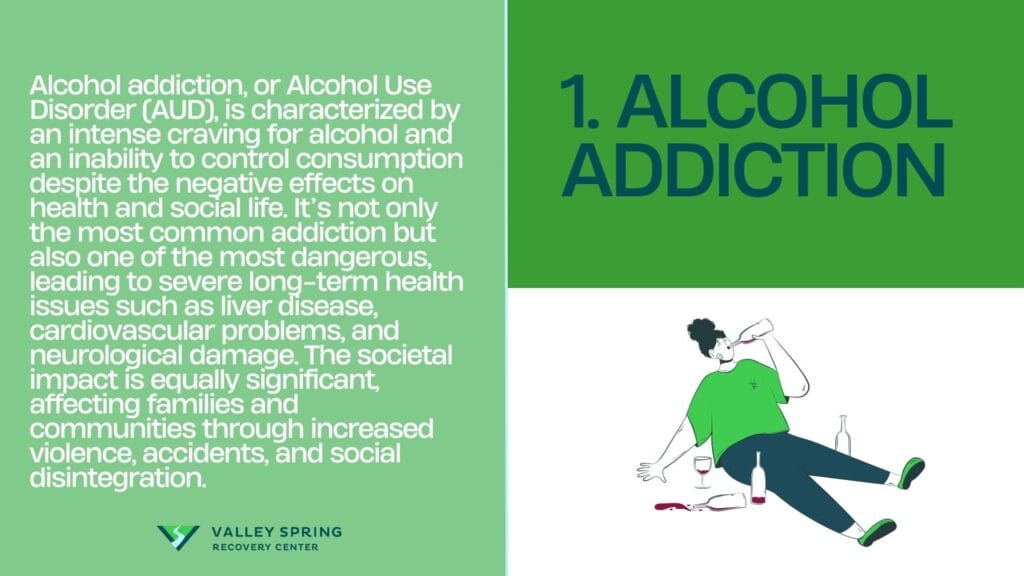
Over 3 million deaths annually are attributed to alcohol use, representing 5.3% of all deaths globally (World Health Organization, 2018). This highlights the severe global impact of Alcohol Use Disorder (AUD), characterized by an inability to control alcohol consumption despite its negative effects on health and social life. CBT and evidence-based therapies such as MAT and DBT are the best approaches for treating Alcohol Use Disorder.
Did you know most health insurance plans cover substance use disorder treatment? Check your coverage online now.
2. Tobacco/Nicotine Addiction
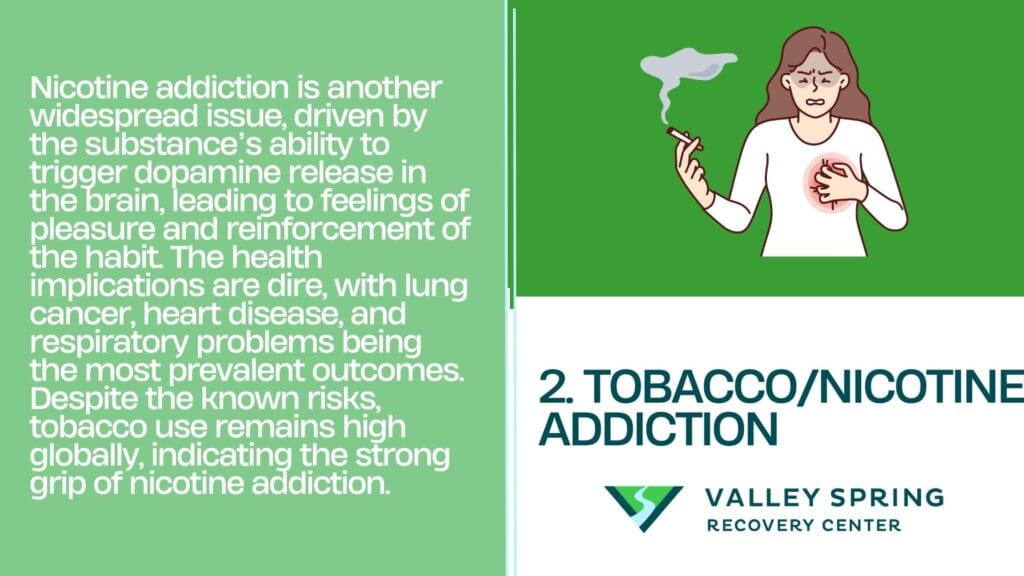
Nicotine addiction ranks number 2 on the list of the top addictions in the world, driven by the substance’s ability to trigger dopamine release in the brain, leading to feelings of pleasure and reinforcing the habit. The health implications are dire, with lung cancer, heart disease, and respiratory problems being the most prevalent outcomes. Despite the known risks, tobacco use remains high globally, indicating the strong grip of nicotine addiction.
With more than 8 million deaths each year worldwide due to tobacco use, nicotine addiction remains a major public health challenge (World Health Organization, 2021). The addictive nature of nicotine leads to diseases such as lung cancer, heart disease, and respiratory problems.
3. Opioid Addiction
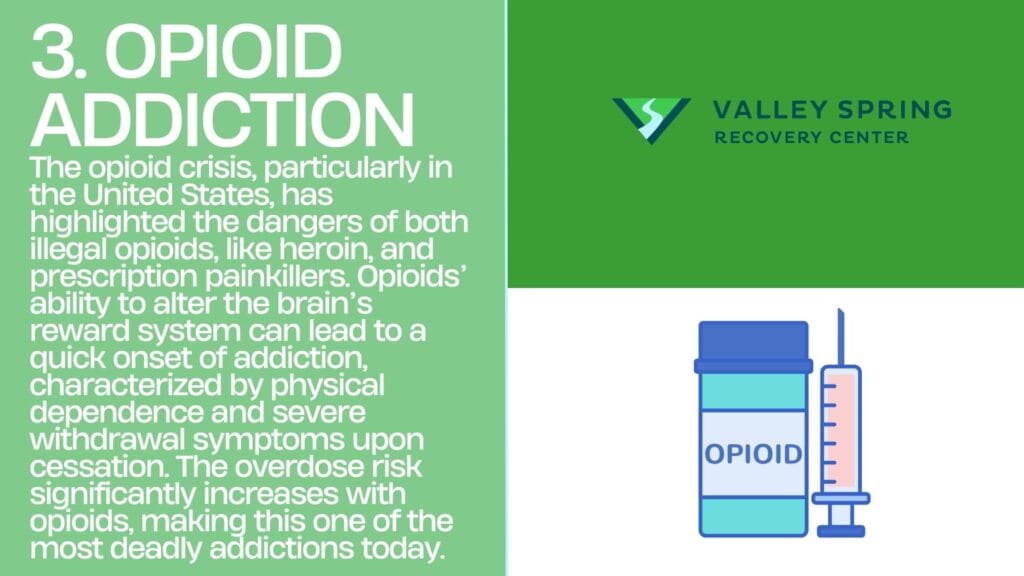
The opioid crisis, particularly in the United States, has highlighted the dangers of both illegal opioids, like heroin, and prescription painkillers ranking it number 3 on the list of most frequent addictions. Opioids’ ability to alter the brain’s reward system can lead to a quick onset of addiction, characterized by physical dependence and severe withdrawal symptoms upon cessation. The overdose risk significantly increases with opioids, making this one of the most deadly addictions today.
In the United States, opioids were involved in nearly 49,000 opioid-related overdose deaths accounting for 70% of all drug overdose deaths in 2019, showcasing the severity of the opioid crisis (Centers for Disease Control and Prevention, 2020). This includes addiction to both illegal drugs like heroin and prescription painkillers.
4. Prescription Drug Addiction
Not limited to opioids, prescription drug addiction also encompasses sedatives, hypnotics, and anxiolytics, which are often misused beyond their medical purpose. This type of addiction poses significant health risks, as it can lead to dangerous behaviors, overdose, and long-term health complications, highlighting the need for stricter prescription practices and better patient education.
It is estimated that 18 million people have misused prescription medications at least once in the past year (National Institute on Drug Abuse, 2021). This involves dependency on medications not taken as prescribed, including sedatives, hypnotics, or anxiolytics.
Many experts consider opioid addiction one of the worst addictions to have due to its rapid onset, severe physical dependence, potentially fatal withdrawal symptoms, and the highest overdose death rates among all substances.
Contact us today to schedule an initial assessment or to learn more about our services. Whether you are seeking intensive outpatient care or simply need guidance on your drug addiction journey, we are here to help.
5. Stimulant Addiction
Stimulants, including cocaine and methamphetamine, are powerful central nervous system enhancers that significantly increase energy and alertness. Their abuse can lead to severe cardiovascular complications, psychological dependence, and, in the case of methamphetamine, drastic dental decay known as “meth mouth.” The immediate rush of euphoria masks the detrimental long-term effects on physical and mental health, making them highly addictive and dangerous.
Cocaine was involved in 1 in 5 overdose deaths in 2018, indicating the high risk of stimulant addiction (National Institute on Drug Abuse, 2020). Drugs like cocaine or methamphetamine stimulate the central nervous system and can lead to heart problems and psychological dependence.
6. Food Addiction
Food addiction is particularly related to unhealthy foods high in sugar, fat, or salt. It’s closely linked to obesity, eating disorders, and serious health conditions such as diabetes and heart disease. The compulsive consumption of these foods, despite knowing the negative consequences, underscores the addictive nature of certain food substances.
Food addiction is believed to affect approximately 5-10% of the population, often linked with obesity, eating disorders, and health problems like diabetes and heart disease (Scientific Reports, 2017).
7. Cannabis Addiction
While often perceived as less harmful, cannabis addiction is a growing concern, especially with the increasing legalization and availability of marijuana. Long-term or heavy use can lead to addiction, characterized by a dependence that affects cognitive abilities and mental health. The debate around cannabis addiction continues, but the potential for abuse and negative health outcomes warrants attention.
Around 30% of those who use marijuana may have some degree of marijuana use disorder (National Institute on Drug Abuse, 2020). People who begin using marijuana before the age of 18 are four to seven times more likely to develop a marijuana use disorder than adults.
Rediscover Life at Valley Spring Recovery Center
Get the compassionate support you deserve. We're here to help you reclaim joy, wellness, and a brighter future.
Verify Benefits
8. Inhalant Addiction
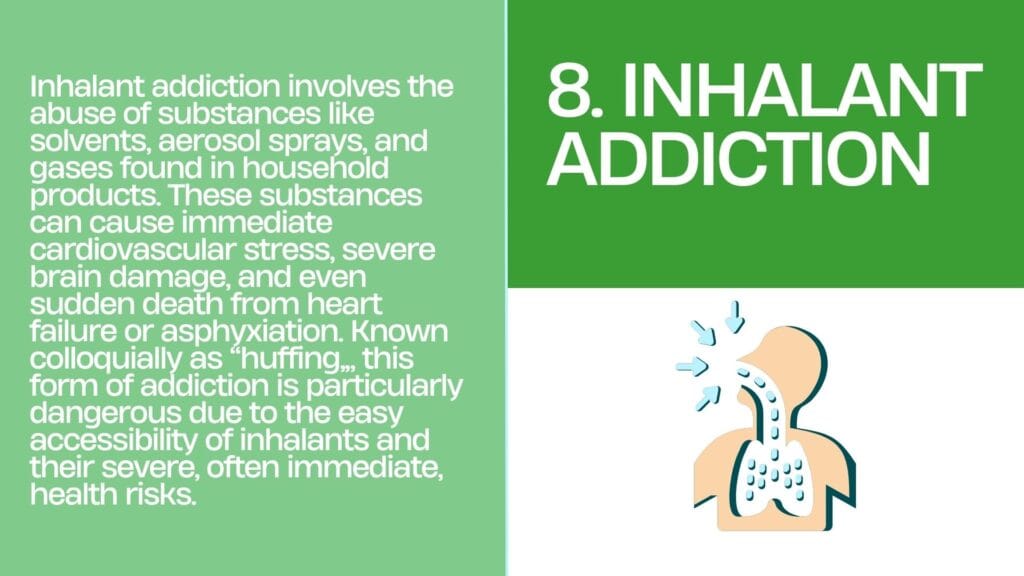
Inhalant addiction involves the abuse of substances like solvents, aerosol sprays, and gases found in household products. These substances can cause immediate cardiovascular stress, severe brain damage, and even sudden death from heart failure or asphyxiation. Known colloquially as “huffing,” this form of addiction is particularly dangerous due to the easy accessibility of inhalants and their severe, often immediate, health risks.
Inhalant use is most common among adolescents, with 9.4% of 8th graders reporting having used inhalants at least once in their lives (Monitoring the Future Survey, 2020). Inhalants can cause immediate heart problems, brain damage, and sudden death.
9. Gambling Addiction
Gambling addiction is characterized by a compulsive urge to continue gambling despite the toll it may take on one’s life. It can lead to monumental financial losses, overwhelming debt, and damaged relationships. The thrill of the gamble overshadows the devastating consequences, making it a particularly insidious form of addiction.
Approximately 1% of the U.S. adult population are estimated to have a severe gambling problem (National Council on Problem Gambling, 2018). Compulsive gambling leads to significant financial loss, debt, and strained relationships.
10. Internet Addiction
Internet addiction is characterized by excessive internet use that disrupts daily life. It leads to social isolation, mood changes, and negative physical health impacts due to sedentary behavior. According to The American Psychiatric Association’s 2020 report, internet addiction affects up to 8% internet addiction affects up to 8% of the general population in the United States and Europe.
Studies suggest that internet addiction affects up to 8% of the general population in the United States and Europe (American Psychiatric Association, 2020). Excessive internet use can lead to social isolation, mood changes, and impacts on physical health.
Are you covered for treatment?


Valley Spring Recovery Center is an approved provider for Blue Cross Blue Shield and Cigna, while also accepting many other major insurance carriers.
Check Coverage Now!11. Sex Addiction
Sex addiction is a compulsive engagement in sexual thoughts, urges, or behaviors despite significant negative consequences. This addiction can severely strain or even destroy relationships and often leads to risky behavior. The overwhelming pursuit of sexual gratification becomes a dominant concern, frequently overshadowing personal and professional responsibilities.
A 2018 study published in JAMA Psychiatry by Dickenson JA et al. found that 8.6% of the general U.S. population experiences hypersexuality, with 7.0% of women and 10.3% of men reporting clinically significant levels of distress or impairment due to difficulty controlling sexual thoughts, urges, and behaviors. Individuals affected by sex addiction compulsively engage in sexual activities, often disregarding the harmful consequences on their lives.
12. Shopping Addiction
Shopping addiction is characterized by compulsive buying habits, affecting about 5% of Americans, leading to financial problems and interpersonal conflicts, causing 51% of consumers to delay financial goals, with 27% postponing debt repayment, resulting in 51% accumulating more debt (American Journal of Psychiatry, 2006) This makes shopping addiction one of the top addictions.
14. Video Game Addiction
Compulsive gaming that interferes with daily responsibilities, video game addiction can lead to social isolation, mood swings, and decreased physical activity. The immersive worlds and the sense of achievement offered by video games make them particularly addictive, leading to significant impacts on personal and professional life.
The World Health Organization recognized video game addiction as a mental health disorder in 2018, affecting up to 3% of gamers globally. It can result in neglect of personal and professional responsibilities and social isolation.
Did you know most health insurance plans cover substance use disorder treatment? Check your coverage online now.
14. Hallucinogen Addiction
Hallucinogens, such as LSD and psilocybin mushrooms, primarily cause altered states of perception and mood changes. While they are less likely to lead to physical addiction, the psychological dependence that can develop poses significant risks. Users may experience profound alterations in sensory perception, which can lead to psychological distress and a disconnection from reality.
While less common than other addictions, the National Survey on Drug Use and Health reported that approximately 5.6 million people aged 12 or older used hallucinogens in 2018. This includes substances like LSD and psilocybin mushrooms.
15. Porn Addiction
The compulsive need to view pornography often results in a distorted view of sexual reality, relationship issues, and neglect of other aspects of life. Porn addiction can have profound effects on the individual’s perception of relationships and sexuality, leading to isolation and dissatisfaction with real-life relationships.
Although difficult to quantify due to underreporting, studies suggest that up to 5% of the population may experience problematic pornography use (JAMA Psychiatry, 2014). This compulsive behavior often leads to distorted views of sexual reality and relationship problems.
What are the most expensive drugs?
The most expensive addictive drugs in terms of abuse include Cocaine, Heroin, and Methamphetamine due to their high street value and the costs associated with addiction, including healthcare, legal issues, and loss of productivity. Cocaine can cost between $80 to $100 per gram, Heroin around $15 to $20 per dose, and Methamphetamine $3 to $500 per gram, varying by region and purity.
Contact us today to schedule an initial assessment or to learn more about our services. Whether you are seeking intensive outpatient care or simply need guidance on your drug addiction journey, we are here to help.
What are the most unusual addictions?
Some of the most unusual addictions include eating non-food items (Pica), addiction to consuming dirt (Geophagy), extreme body modifications, addiction to drinking paint, compulsive hair pulling (Trichotillomania), and an obsession with being in a relationship (Relationship Addiction). These rare addictions and compulsions highlight the broad spectrum of human behavior and psychological conditions.
What Is The Hardest Addiction To Quit?
The hardest addiction to quit is opioid addiction, including heroin and prescription painkillers, due to the intense physical withdrawal symptoms, powerful cravings, and high relapse rates that make recovery very challenging.
Share This Post

Dr. Michael Olla
All author posts
Our Therapuetic Recovery Programs
Are you covered for treatment?





Valley Spring Recovery Center is an approved provider for Blue Shield of California and Cigna, while also accepting many other major insurance carriers.
Check Coverage Now!