OxyContin Addiction: Symptoms, Causes, Effects and Treatment
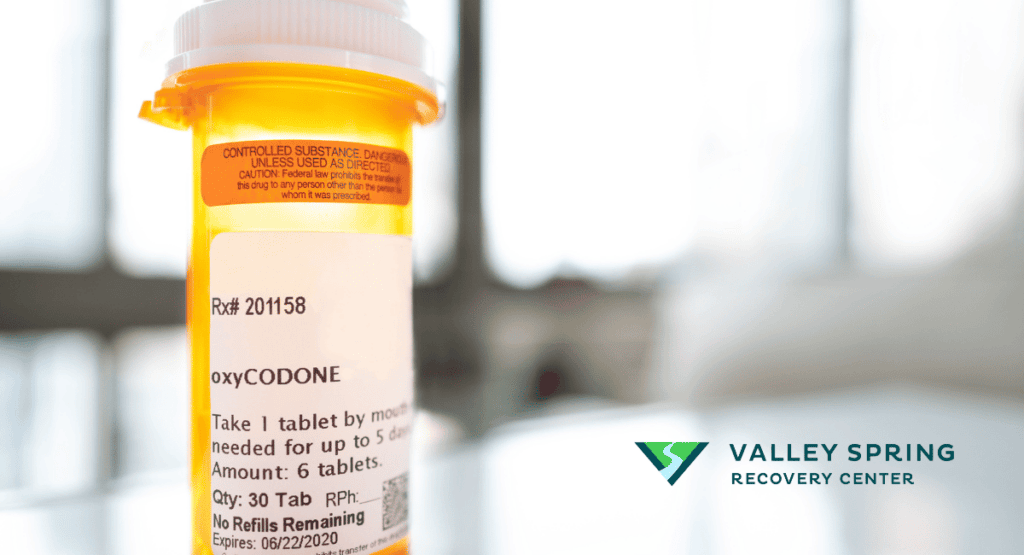
OxyContin addiction is a severe and potentially life-threatening condition that arises from the misuse of the prescription medication OxyContin, an opioid pain reliever. This form of addiction is marked by a physical and psychological dependence on the drug, compelling individuals to compulsively seek and use it despite the adverse impacts on their health, relationships, and overall functionality. At the heart of OxyContin addiction is the drug’s capacity to modify the brain’s chemistry, inducing a euphoric sensation that users grow dependent upon.
This dependency can swiftly lead to tolerance, necessitating higher doses to achieve the same effects, and significantly increasing the risk of overdose. As tolerance escalates, so does the danger associated with addiction, positioning OxyContin addiction not just as a personal health crisis but as a significant public health concern. Addressing this addiction typically involves a multifaceted approach, including medication-assisted therapy, counseling, and support groups, aimed at tackling both the physical and psychological elements of the addiction.
Recognizing the seriousness of OxyContin addiction is vital for early intervention and effective treatment, underscoring the critical need for awareness and education on this pressing issue.
What is Oxycontin addiction?
Oxycontin addiction is a chronic substance use disorder characterized by compulsive use of the prescription opioid painkiller Oxycontin (oxycodone) despite negative consequences, leading to physical dependence, tolerance, withdrawal symptoms, and significant impairment in daily functioning. The condition induces both physical and psychological dependence by modifying brain chemistry to produce euphoric sensations, which can rapidly escalate to tolerance, requiring higher doses for the same effect.
This pattern significantly increases overdose risks, making it not just an individual health crisis but a broader public health concern. The condition involves uncontrollable cravings, continued use despite harm to health and relationships, and difficulty stopping use without medical intervention. Treatment typically requires a comprehensive approach combining medication-assisted therapy, counseling, and support groups to address both the physical and psychological aspects of the addiction.
Did you know most health insurance plans cover substance use disorder treatment? Check your coverage online now.
What are The Symptoms of Oxycontin Addiction?
The symptoms of OxyContin addiction include persistent drowsiness, depressed breathing patterns, and frequent episodes of nausea, which signal physical dependence. Behavioral indicators often manifest as prescription-seeking behaviors, social isolation, and inability to fulfill daily obligations. Here are the physical and behavioral symptoms of Oxycontin addiction:
Physical Symptoms
- Unusual drowsiness: Excessive sleepiness or lethargy indicating OxyContin misuse.
- Slowed breathing: Dangerously slow breathing rates due to respiratory depression from opioids like OxyContin.
- Nausea and vomiting: Frequent side effects indicating the body’s adverse reaction to high doses of OxyContin.
Behavioral Changes
- Doctor shopping: Seeking multiple prescriptions from different physicians to maintain addiction without detection.
- Social withdrawal: Pulling away from friends, family, and social activities due to increased focus on drug use.
- Neglecting responsibilities: Failing to meet work, school, or family obligations because of preoccupation with OxyContin use.
Contact us today to schedule an initial assessment or to learn more about our services. Whether you are seeking intensive outpatient care or simply need guidance on your drug addiction journey, we are here to help.
What Are The Causes of Oxycontin Addiction?
The causes of OxyContin addiction include genetic predisposition to substance dependency, changes in brain chemistry from prolonged use, and environmental pressures from social circles or stressful home situations. Psychological factors like anxiety, depression, and past trauma can lead individuals to misuse OxyContin as a coping mechanism. Further, improper medical monitoring during legitimate pain management treatment may result in unintended dependency. Explore our comprehensive breakdown below to understand these causes in detail:
Biological Factors
- Genetic Predisposition: Some individuals possess a genetic makeup that increases susceptibility to addiction.
- Brain Chemistry Alterations: Prolonged OxyContin use alters brain chemistry, leading to physical dependence and cravings.
Environmental Factors
- Peer Pressure: Friends and social circles influence individuals to use OxyContin.
- Stressful Home Environment: A chaotic or stressful home life drives individuals to seek relief through substance use.
- Initial Prescription for Pain Management: Prescriptions for pain management often serve as a gateway to OxyContin addiction. Patients prescribed OxyContin for legitimate medical reasons may develop dependence without proper monitoring and treatment.
- Insufficient Monitoring: Lack of adequate monitoring and follow-up by healthcare providers contributes to misuse and addiction.
Rediscover Life at Valley Spring Recovery Center
Get the compassionate support you deserve. We're here to help you reclaim joy, wellness, and a brighter future.
Verify Benefits
Psychological Factors
- Anxiety and Depression: Individuals struggling with anxiety and depression often self-medicate with OxyContin.
- Trauma and PTSD: Individuals with a history of trauma or PTSD exhibit a higher likelihood of developing substance use disorders.
- Self-Medication: Some individuals use OxyContin to escape emotional pain, cope with stress, anxiety, or other emotional difficulties.
What Are the Effects of Oxycontin Addiction on Health?
The effects of OxyContin addiction on health include immediate physical and cognitive impairments, along with severe long-term damage to vital organs and mental well-being. These impacts can worsen when combined with alcohol or trigger conditions like anxiety. See below for a detailed breakdown of short-term and long-term health effects.
Short-Term Effects
- Euphoria: Intense feelings of pleasure or well-being that encourage further misuse.
- Constipation: A common side effect of opioid use, causing discomfort and digestive issues.
- Impaired Judgment: Diminished ability to make sound decisions, increasing the risk of accidents and poor life choices.
Are you covered for treatment?


Valley Spring Recovery Center is an approved provider for Blue Cross Blue Shield and Cigna, while also accepting many other major insurance carriers.
Check Coverage Now!Long-Term Effects
- Liver Damage: Prolonged use harms the liver, especially when combined with substances like alcohol.
- Mental Health Disorders: Addiction exacerbates or leads to conditions such as depression or anxiety.
- Increased Risk of Overdose: Heightened tolerance necessitates larger amounts to achieve desired effects, increasing the risk of potentially fatal overdose.
This table summarizes the effects of OxyContin addiction across five categories: physical, cognitive, psychological, social and economic, and health risks. Each category highlights the significant and varied impacts of addiction
| Category | Effects of OxyContin Addiction |
| Physical Effects | – Euphoria |
| – Pain Relief | |
| – Drowsiness | |
| – Nausea and Vomiting | |
| – Constipation | |
| – Respiratory Depression | |
| – Itchiness | |
| Cognitive Effects | – Confusion |
| – Slurred Speech | |
| – Impaired Cognitive Function | |
| Psychological Effects | – Reduced Anxiety |
| – Decline in Mental Health | |
| – Tolerance | |
| – Physical Dependence | |
| Social and Economic Effects | – Damaged Relationships |
| – Legal Issues | |
| – Financial Problems | |
| – Social Isolation | |
| Health Risks | – Increased Risk of Overdose |
| – Health Complications |
What are the Physical and Mental Effects of OxyContin Withdrawal?
The physical and mental effects of OxyContin withdrawal include intense flu-like symptoms, drug cravings, and psychological distress. Patients commonly experience nausea, insomnia, anxiety, and heightened pain sensitivity, with symptoms potentially lasting several weeks. For a detailed breakdown of withdrawal effects and their duration, see the comprehensive list below.
The withdrawal challenges of OxyContin addiction include:
- Physical Symptoms: OxyContin withdrawal brings flu-like symptoms, including muscle aches, chills, and sweating. Individuals experience gastrointestinal distress, such as nausea, vomiting, diarrhea, and abdominal cramps.
- Intense Cravings: Intense cravings for OxyContin represent one of the most significant challenges. The brain becomes accustomed to OxyContin, and its removal leads to overwhelming cravings that increase the risk of relapse without effective management.
- Psychological Symptoms: Withdrawal from OxyContin causes psychological symptoms such as anxiety, depression, irritability, and mood swings. These emotional fluctuations create distress and complicate coping efforts.
- Sleep Disturbances: Individuals undergoing OxyContin withdrawal frequently experience insomnia or disrupted sleep patterns. Sleep disturbances exacerbate psychological symptoms and contribute to exhaustion.
- Pain Sensitivity: OxyContin withdrawal heightens pain perception, which contradicts the drug’s purpose of providing pain relief. This increased pain sensitivity proves uncomfortable and difficult to manage.
- Duration and Persistence: OxyContin withdrawal symptoms last several days to weeks, depending on addiction severity and individual factors. The extended duration of withdrawal challenges tests an individual’s resolve to quit.
- Potential for Relapse: The severity of withdrawal symptoms and intense cravings heightens the risk of relapse during the withdrawal period without proper support and treatment.
- Medical Complications: OxyContin withdrawal can lead to medical complications, including severe dehydration from vomiting and diarrhea or electrolyte imbalances. These complications underscore the importance of medical supervision during withdrawal.
- Mental Health Impact: The emotional toll of withdrawal significantly impacts mental health, potentially exacerbating underlying issues and increasing the risk of co-occurring disorders.
- Social and Environmental Triggers: Returning to environments or social circles associated with OxyContin use poses significant challenges during withdrawal. Exposure to triggers intensifies cravings.
What Are The Treatment Options for Oxycontin Addiction?
Treatment options for OxyContin addiction include Medication-Assisted Treatment (MAT) with drugs like methadone and buprenorphine, combined with counseling and behavioral therapies; inpatient rehabilitation; Cognitive Behavioral Therapy (CBT); Contingency Management; group counseling; Family Therapy; holistic approaches like yoga and meditation; and ongoing care for relapse prevention.

Medication-Assisted Treatment (MAT) involves using medications like methadone, buprenorphine, and naltrexone, often in combination with counseling and behavioral therapies, to treat Oxycontin addiction effectively.
Inpatient Rehabilitation offers an environment where addicts can focus solely on their recovery, away from triggers and temptations. Residential inpatient rehab centers for addiction often begin with detox and then transition into various forms of therapy and counseling.
Cognitive Behavioral Therapy (CBT) teaches individuals how to identify and correct problematic behaviors. CBT is a form of evidence-based therapy that equips patients with practical skills to manage cravings and triggers.
Contingency Management offers tangible rewards for desired behaviors such as passing a drug test. This method has been shown to increase retention rates in treatment programs and promote abstinence.
Group Counseling and Peer Support can be invaluable, especially as part of an aftercare plan. Sharing experiences and coping strategies with others who are going through the same challenges can reinforce one’s own commitment to sobriety.
Family Therapy recognizes the role of familial relationships in addiction and recovery. Family sessions can help mend broken relationships and facilitate a supportive environment for the addict’s recovery journey.
Holistic Treatments like yoga, meditation, and nutritional therapy are increasingly being integrated into addiction treatment programs for their potential to improve mental well-being, although they typically are used as supplementary treatments rather than replacements for evidence-based approaches.
Continuing Care and Relapse Prevention plans are vital in sustaining long-term sobriety. These could involve ongoing counseling, medication, and even alumni networks to help past patients stay focused on recovery.
Did you know most health insurance plans cover substance use disorder treatment? Check your coverage online now.
What Are Harm Reduction Strategies For OxyContin?
The harm reduction strategies for Oxycontine include:
- Needle Exchange Programs: Needle exchange programs provide sterile syringes and other injection supplies to individuals who use OxyContin or other opioids like heroin intravenously.
These programs aim to reduce the transmission of bloodborne infections like HIV and hepatitis C and promote safer injection practices. They also serve as a point of contact to connect individuals with addiction treatment and support services. - Medication-Assisted Treatment (MAT): MAT involves the use of medications such as buprenorphine or methadone, in combination with counseling and therapy, to treat OxyContin addiction.
MAT helps reduce cravings and withdrawal symptoms, making it easier for individuals to stabilize their lives and engage in treatment. It is an evidence-based approach associated with improved treatment outcomes and a reduction in overdose deaths.
Harm reduction strategies recognize that not all individuals with OxyContin addiction are immediately ready or able to achieve abstinence. These approaches prioritize the safety and well-being of individuals while also providing a bridge to treatment and recovery when they are ready to pursue it.
How Common Is Oxycontin Addiction?
OxyContin addiction is extremely common in the United States, with millions affected by this potent opioid painkiller’s misuse and overprescription, leading to a growing public health crisis.
See the detailed statistics on Oxycontin addiction below:
Global statistics
- Global Opioid Consumption: The United States has historically been one of the largest consumers of opioids, including OxyContin. However, opioid misuse and addiction have also been reported in other countries, although the scale may vary significantly.
- Treatment Rates: Access to treatment for opioid addiction varied globally. Some countries had robust addiction treatment programs, while others faced significant challenges in providing adequate care to those in need.
- Regulatory Responses: Various countries implemented measures to combat opioid addiction, such as stricter prescription guidelines, prescription monitoring programs, and public health campaigns to raise awareness about the risks of opioids.
National Statistics
- Opioid Epidemic in the United States: The United States has experienced a well-documented opioid epidemic. In 2019, approximately 10.1 million people aged 12 or older misused opioids, including prescription pain relievers like OxyContin. Opioid overdoses contribute to tens of thousands of deaths annually.
- More than one million individuals aged 12 and older in the United States have engaged in nonmedical OxyContin use at least once during their lifetime.
- High school students’ abuse of OxyContin is a notable concern, with approximately four percent of American high school seniors reporting at least one instance of drug abuse in the past year, as indicated by the University of Michigan’s Monitoring the Future Survey. (NIDA)
- In 2013, there were 492,000 individuals aged 12 or older in the United States who were current nonmedical users of the pain reliever OxyContin®, representing approximately 0.2 percent of the population.
This figure remained consistent with the numbers observed from 2007 to 2012, which ranged from 358,000 to 566,000 individuals or 0.1 to 0.2 percent of the population during those years according to the Results from the 2013 National Survey on Drug Use and Health: Summary of National Findings.
Rehab Admission Rates
Admission Rates by Gender:
- Male Admission Rates: Historically, admission rates for OxyContin addiction have shown a higher prevalence among males. This may be due to various factors, including differences in prescription patterns and risk-taking behaviors.
- Female Admission Rates: While admission rates for females with OxyContin addiction have been lower than for males, they have been increasing over the years. This trend is attributed to changing prescription patterns, greater recognition of the opioid epidemic’s impact on women, and differences in how addiction is manifested and reported.
Admission Rates by Age Groups:
- Young Adults (18-25): Young adults have exhibited relatively high admission rates for OxyContin addiction, often reflecting the period when individuals are experimenting with substances. The accessibility of prescription medications in this age group can contribute to misuse and addiction.
- Adults (26-64): This age group typically represents the highest admission rates for OxyContin addiction. It includes individuals who may have been prescribed OxyContin for legitimate medical reasons but developed dependence or those who obtained the drug through illicit means.
- Seniors (65 and older): While admission rates among seniors are generally lower, there has been an increase in opioid misuse and addiction in this demographic, often linked to pain management issues and the use of multiple medications.
What Are The Relapse Rates For Oxycontin Addiction?
The relapse rates for OxyContin addiction vary significantly between short-term and long-term recovery periods, with initial recovery showing heightened vulnerability to relapse due to withdrawal symptoms, environmental influences, and psychological factors. Treatment outcomes, behavioral modifications, support system engagement, and personalized recovery strategies play crucial roles in determining recovery success, while ongoing aftercare and professional guidance remain essential elements for sustained sobriety. See the comprehensive breakdown below for detailed statistics and contributing factors affecting relapse patterns across different recovery stages.
Contact us today to schedule an initial assessment or to learn more about our services. Whether you are seeking intensive outpatient care or simply need guidance on your drug addiction journey, we are here to help.
What Factors Contribute to Oxycontin Overdose Deaths?
Factors contributing to OxyContin overdose deaths include inadequate addiction treatment, stigma, overprescribing practices, insufficient education about opioid risks, co-occurring health issues, and the adulteration of OxyContin with potent synthetic drugs like fentanyl and xylazine on the black market.
- Lack of Treatment: Limited access to addiction treatment services, such as medication-assisted treatment (MAT) and behavioral therapy, significantly contributes to the high mortality rates among those struggling with OxyContin addiction. Many individuals do not receive the necessary support and intervention.
- Stigma and Shame: The stigma surrounding addiction often deters individuals from seeking help. This can lead to delayed or inadequate treatment, heightening the risk of an overdose.
- Prescription Practices: Historically, the overprescribing of opioids, including OxyContin, by healthcare providers has made these drugs readily available for misuse and abuse.
- Inadequate Education: There is a general lack of awareness about the risks associated with OxyContin and other opioids among healthcare professionals and the public. This lack of education can lead to dangerous prescribing and usage behaviors that increase overdose risks.
- Complex Health Issues: Addiction to OxyContin often coexists with other physical and mental health conditions, complicating the treatment process and increasing the risk of negative health outcomes, including death.
- Adulteration with Synthetic Drugs: Increasingly, OxyContin found on the black market is being mixed with potent synthetic drugs like fentanyl and xylazine. These substances significantly enhance the opioid’s potency and lethality, leading to a higher risk of drug overdose deaths.
Addressing the mortality rates associated with OxyContin addiction requires a comprehensive approach that includes prevention, harm reduction, improved access to treatment, and destigmatization of addiction.
Can You Recover from Oxycontin Addiction?
Yes, you can recover from Oxycontin addiction through a combination of medical intervention, behavioral therapy, and long-term aftercare. The recovery process typically begins with medical detoxification under professional supervision. Because Oxycontin withdrawal symptoms can be severe, doctors recommend supervised detox programs. Healthcare providers may use Medication-Assisted Treatment (MAT), including medications like Methadone, Buprenorphine, or Naltrexone, to help manage withdrawal symptoms and reduce cravings during the initial recovery phase.
Share This Post

Dr. Michael Olla
All author posts
Our Therapuetic Recovery Programs
Are you covered for treatment?





Valley Spring Recovery Center is an approved provider for Blue Shield of California and Cigna, while also accepting many other major insurance carriers.
Check Coverage Now!