5 Signs You Need To Go To Rehab

Drug and alcohol addiction is a chronic disease characterized by drug seeking and use that is compulsive, or difficult to control, despite harmful consequences. It involves a complex interplay of behavioral, emotional, and physical factors, often escalating to a point where life revolves around substance use. Recognizing the signs of addiction can be challenging but is crucial for taking proactive measures.
What Are the 5 Signs You Need to Go to Rehab?
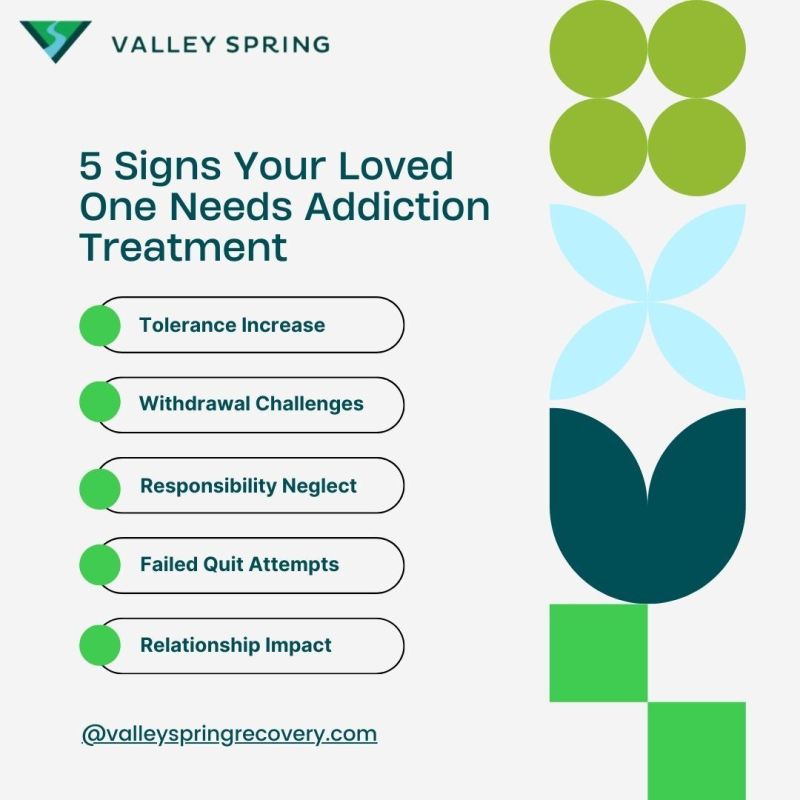
The 5 signs you need to go to rehab are tolerance increases, withdrawal challenges, neglecting responsibilities, failed attempts to quit, and strained relationships. These indicators suggest that your substance use is becoming problematic and may necessitate professional help. For a detailed breakdown of each sign, refer to the table below.
Did you know most health insurance plans cover substance use disorder treatment? Check your coverage online now.
1. Tolerance Increases
Increased tolerance is an early sign of a growing addiction problem, indicating a need for treatment. Individuals may require more of the substance to achieve the same effects, which raises the risk of overdose and shows physiological dependence.
2. Withdrawal Challenges
Experiencing withdrawal symptoms when attempting to cut back or quit is a significant red flag. Symptoms can range from mild irritations, like headaches and nausea, to severe issues such as tremors, anxiety, and depression. This indicates that your body has adapted to the substance, making unsupervised quitting potentially dangerous.
3. Responsibility Neglect
A consistent pattern of neglecting responsibilities at work, school, or home is a sign that the addiction is taking over your life. Missing deadlines, poor performance, and losing interest in previously enjoyed activities suggest that the substance has become a priority.
Contact us today to schedule an initial assessment or to learn more about our services. Whether you are seeking intensive outpatient care or simply need guidance on your drug addiction journey, we are here to help.
4. Failed Quit Attempts
Repeated unsuccessful attempts to quit on your own indicate a need for professional help. Each failure can lead to hopelessness and deeper addiction, highlighting that specialized treatment is often necessary for recovery.
5. Relationship Impact
Addiction affects not just the individual but also those around them. Strained relationships, social isolation, and frequent conflicts signal that addiction is impacting your social life, causing emotional distress for loved ones as it progresses. Symptoms in oneself or a loved one can be both alarming and enlightening. They act as red flags that should not be ignored.
What Are Co-occurring Mental Health Issues?
Co-occurring mental health issues are conditions like anxiety, depression, and bipolar disorder that often exist alongside addiction. These issues can either trigger substance abuse or result from it. A dual-diagnosis approach is often the most effective form of treatment for individuals dealing with both mental health issues and substance abuse.
Rediscover Life at Valley Spring Recovery Center
Get the compassionate support you deserve. We're here to help you reclaim joy, wellness, and a brighter future.
Verify Benefits
When Is The Right Time For Addiction Treatment?
The Right Time For Addiction Treatment is when you begin to notice signs of addiction in yourself or a loved one. Recognizing these signs early is crucial for effective recovery. Waiting for a “rock bottom” moment can lead to severe emotional and physical damage. Key indicators that it’s time to seek rehab include:
- Increased Tolerance: Needing more of the substance to achieve the same effect.
- Withdrawal Symptoms: Experiencing physical or emotional symptoms when not using.
- Neglecting Responsibilities: Failing to meet obligations at work, school, or home.
- Social Isolation: Withdrawing from friends and family in favor of substance use.
- Failed Attempts to Cut Back: Repeatedly trying and failing to reduce usage.
Early intervention can lead to a more successful recovery, as it allows for less intensive treatment and minimizes disruption to daily life. Taking action sooner can prevent negative outcomes like health deterioration, relationship issues, and legal troubles. Timely treatment is a proactive step toward a healthier life.
Frequently Asked Questions When to Get Addiction Treatment
Does poor work performance due to substance abuse mean I need treatment?
Declining performance at work due to substance use is a major sign that you need to seek intervention. Substance abuse doesn’t only harm you physically and emotionally; it can also have severe repercussions for your career and financial stability. If you’re frequently late, missing deadlines, or delivering subpar work because of your substance use, it’s likely you need help.
Can experiencing withdrawal symptoms indicate the need for addiction treatment?
Experiencing withdrawal symptoms like irritability, nausea, fatigue, or extreme cravings when you’re not using a substance is a definite sign of dependency. These symptoms indicate that your body has grown accustomed to the substance and may struggle to function without it. If you’re experiencing withdrawal symptoms, it’s crucial to seek medical advice and likely begin a treatment program.
Can physical symptoms indicate a need for rehab?
Absolutely. Physical symptoms like sudden weight loss or gain, bloodshot eyes, frequent nosebleeds, changes in appetite, and unusual sleep patterns can signal a drug or alcohol problem that requires professional intervention.
Does a growing tolerance to a substance mean I need rehab?
An increasing tolerance, meaning needing more of the substance to achieve the same effects, is a clear sign of developing dependency, indicating that rehab might be beneficial.
If I have legal issues related to substance use, should I consider rehab?
Legal troubles like DUIs, public intoxication, or possession charges directly linked to substance use are unmistakable signs of its negative impact on your life, suggesting that rehab might be necessary. Drug and alcohol rehab may also help with pending legal charges depending on the severity of the charges, your judge and your attorney.
How do frequent memory blackouts relate to a need for rehab?
Regular memory blackouts or lapses after substance use indicate excessive consumption and can be a sign that the level of use is unsafe. This is a clear warning sign that professional treatment may be beneficial.
When Should You Seek Professional Help?
If your self-assessment or observations about a loved one point towards a problem, it’s time to seek professional help. Signs like increasing substance tolerance, experiencing withdrawal symptoms, or failing multiple attempts to quit on your own are strong indicators for needing professional treatment.
Final Thoughts On Knowing If You Need Addiction Treatment
Understanding whether you or a loved one needs professional help for addiction can be a complex process. But acknowledging the issue is the first step towards a healthier future. If you find that you or someone you care about is exhibiting symptoms of addiction, especially after taking the alcoholism test, consider reaching out to healthcare providers for a comprehensive evaluation. At Valley Spring Recovery Center, we offer a range of addiction treatment options tailored to your unique needs. Don’t wait; take control of your life today.
Share This Post

Dr. Michael Olla
All author posts
Our Therapuetic Recovery Programs
Are you covered for treatment?





Valley Spring Recovery Center is an approved provider for Blue Shield of California and Cigna, while also accepting many other major insurance carriers.
Check Coverage Now!